
What your cat's whiskers are for: a radar you should never trim

An informative guide based on recognised veterinary sources. If you notice any symptoms, always see your vet.
Whiskers are probably the most endearing feature of a cat's face. But behind their decorative look lies a precision tool. They aren't ordinary hairs but sensory organs that constantly tell your cat what's around them. Understanding how they work will help you care for your cat better, from the bowl they eat from to the way you stroke them.
What exactly are whiskers?
Their technical name is vibrissae, a word that comes from Latin and is related to "vibrate". According to the public information published by VCA veterinary hospitals, these hairs are thicker and stiffer than the rest of the coat and are rooted much deeper in the skin, in follicles surrounded by nerves and blood vessels.
When a draught or an object brushes a whisker, it vibrates and stimulates the nerves in the follicle. The brain receives that information instantly. That's why they're said to work like a little radar: the cat "feels" its surroundings without needing to touch them directly with its skin.
Where cats have whiskers (and it's not just the face)
- On the muzzle: the longest and most visible, arranged in rows on both sides of the face.
- Above the eyes: long hairs, like "eyebrows", that trigger blinking if something comes close to the eyes.
- On the chin: shorter and more discreet.
- On the back of the front legs: these are the so-called carpal vibrissae, just above the paw pad. They help the cat sense what's between its paws, which is very useful when hunting.
What they use them for
1. Getting around in the dark
Cats see very well in low light, but not in total darkness. That's where whiskers come in: they detect changes in the air currents created by furniture, walls or obstacles, and help them find their way around the house at night.
2. Seeing up close
Cats find it harder to focus on objects very close to their face. When they catch a toy or prey, the whiskers on the muzzle swing forward to "feel out" what's right in front of their mouth.
3. Knowing where their body is
At the base of the whiskers there are receptors that tell the brain where the body and limbs are. According to VCA, this information is part of what helps cats move so nimbly.
4. Showing their mood
Take a look at them: relaxed whiskers pointing out to the sides usually indicate calm. If they point forward, the cat is alert or curious. Flattened back against the face, they're usually a sign of fear or tension. It's one more clue, along with the ears, tail and posture.
A common myth: do they measure exactly how wide the cat is?
It's often said that whiskers are exactly as wide as the cat's body, and that's how they know whether they'll fit through a gap. It's true that they help them judge narrow spaces, but there's no exact rule: an overweight cat doesn't have longer whiskers. So it's best not to rely on that "measurement" to work out where they can squeeze through.
How to look after your cat's whiskers
- Never trim them. Cutting them takes away sensory information and can leave your cat disoriented or insecure.
- Don't pull or play with them. They're very sensitive; strokes are better on the cheeks and behind the ears.
- It's normal for some to fall out. Like the rest of the coat, whiskers are replaced. Finding a loose one on the floor is nothing to worry about. If you notice they're losing lots at once or that they're breaking, mention it to your vet.
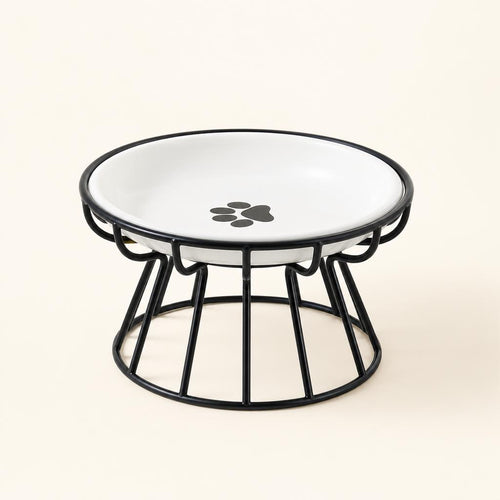
- Choose their bowls carefully. Many cats prefer to eat and drink from wide, shallow dishes where their whiskers don't brush the sides. If your cat scoops food out with a paw or only eats from the middle, try a wider bowl.
What to remember
Whiskers are an essential part of how your cat perceives the world. Respecting them is as simple as not trimming them, not handling them and giving your cat a comfortable environment, with wide bowls and room to move freely.
On the Katlune blog you'll find more practical guides to everyday life with your cat, and if you'd like the most interesting bits delivered every week, Club Katlune makes it easy.
Sources: VCA Animal Hospitals, "Why Do Cats Have Whiskers?" (public veterinary information).
The Katlune solution
What we recommend to help
Club Katlune members get a discount across the whole shop.
Katlune's information is for general guidance only and is no substitute for diagnosis or treatment by a veterinary professional.


